

Key Takeaways for Atlanta Dental Owners
-
Atlanta’s dental market remains highly active in 2026, and DSOs continue to pursue practices generating $1.5 million or more in annual revenue.
-
Realistic valuations for premier general dentistry practices often fall between 60% and 80% of collections, with EBITDA multiples between 5x and 11x depending on practice quality and buyer competition.
-
Active DSO buyers in Atlanta include Heartland Dental, MB2 Dental, Sage Dental, Dental Care Alliance, Great Expressions, and Smile Partners USA, and each group uses its own deal structures and post-close models.
-
A competitive, multi-buyer sale process can often deliver transaction values that are about 50% higher, with stronger terms, than a single unsolicited offer.
-
McLerran & Associates runs a vetted, auction-style process exclusively for sellers, and their team can help you protect both your valuation and your legacy. Start a confidential conversation with McLerran & Associates to explore your options.
How Atlanta Dentists Sell to DSOs in 2026
Selling to a DSO works best as a structured process that creates competition among multiple vetted buyers and reflects true market value. The most suitable DSO partner for an Atlanta seller is rarely the largest group or the one that calls first. The right fit is the buyer whose financial backing, integration model, clinical autonomy commitments, and post-close support align with your goals for your practice, your staff, and your patients.
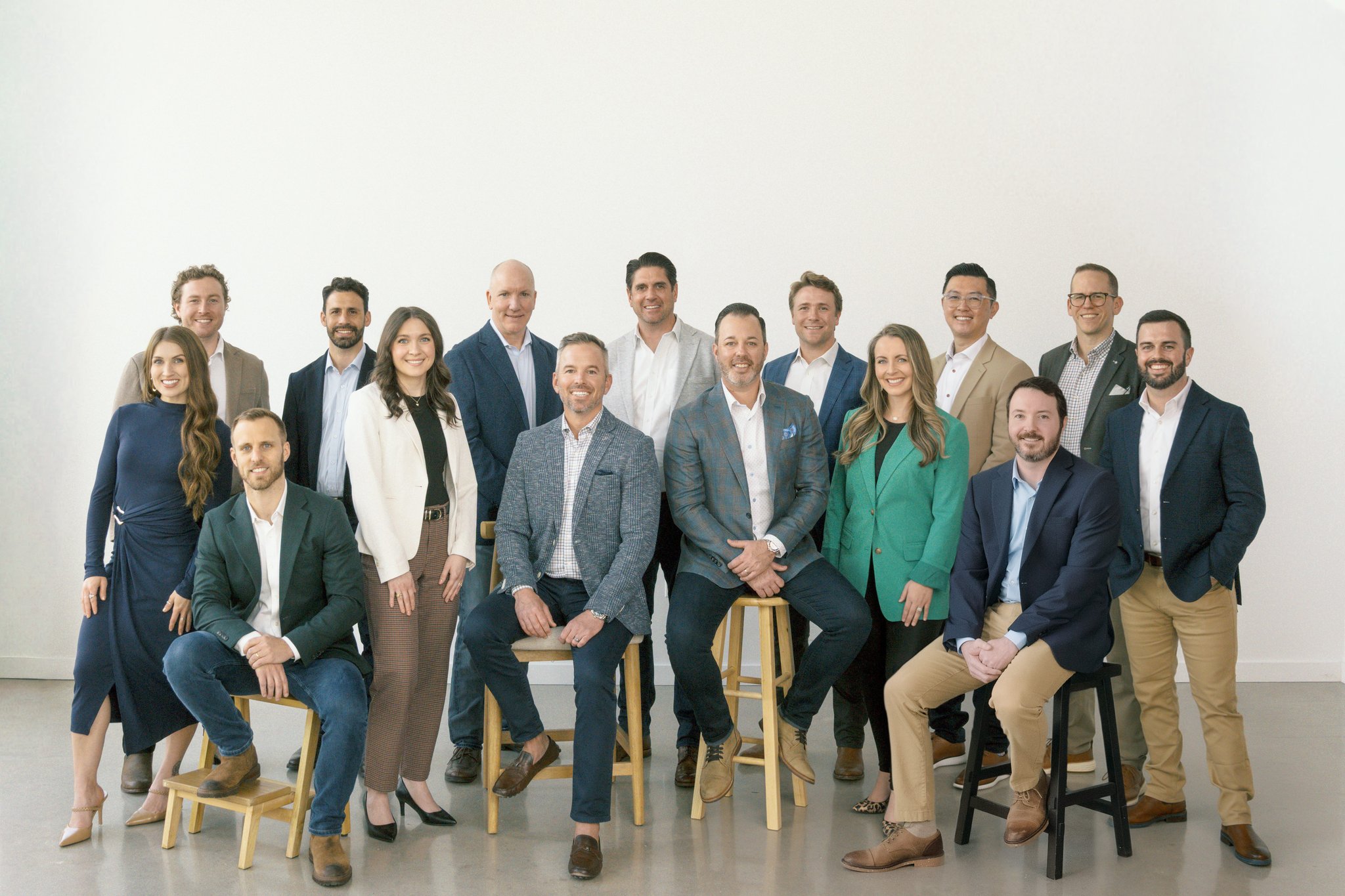
Defining that fit requires comparing several offers at the same time. A sell-side advisor manages that comparison. McLerran & Associates represents practice owners exclusively, never buyers, and runs an auction-style bid process among a vetted pool of DSO and private equity buyers. Poorly run DSOs are removed from consideration before the process begins, so owners see only well-backed, well-run candidates. The firm’s Atlanta office is led by Matt Sutton, who brings local market knowledge and credibility to every engagement.
Atlanta Dental Practice Valuation in 2026
Valuation often determines most of the upside or damage in a sale, and that usually happens quietly. A “free” number from a buyer can become the anchor for every later discussion. A diligence-grade analysis built by a CPA and a sell-side advisor can instead shape that narrative in your favor.
DSO buyers apply EBITDA multiples, which means a multiple of your practice’s earnings before interest, taxes, depreciation, and amortization, after normalizing owner compensation to a market-rate associate salary. Your position within valuation ranges depends on five operational and financial factors, and each factor can shift your multiple by roughly one to three turns:
-
Hygiene revenue as a share of total production, and hygiene revenue above 30% of collections and associate-led production can be some of the highest-impact value drivers
-
Payer mix, where fee-for-service dominant practices often trade at the top of published ranges while Medicaid-heavy practices tend to trade at the bottom, with payer mix driving roughly 1.0 to 2.0 turns of variance inside a range
-
Owner production concentration, since a practice where the selling owner produces 65% to 75% of collections can face a 20% to 30% EBITDA reduction before the multiple is applied
-
Associate depth and staff stability, which can support continuity and reduce perceived risk for buyers
-
Lease terms, technology infrastructure, and documented standard operating procedures, which can make integration smoother and more predictable
Specialty practices such as orthodontics, oral surgery, and pediatric dentistry have historically traded roughly 1.0 to 3.0 turns above equivalent-sized general practices, although ranges vary by specialty and by market conditions.
McLerran & Associates builds a CPA-led EBITDA analysis before any buyer sees your practice, so the number can hold up under scrutiny and the deal is less likely to be re-traded in diligence. Understanding these valuation mechanics helps, and the next step is seeing what they can mean in actual dollar terms for a typical Atlanta practice.
Typical Sale Prices for Atlanta Dental Practices
Translating valuation benchmarks into dollar terms starts with knowing your EBITDA, not just your collections. For a general dentistry practice generating $1.5 million in annual collections with healthy margins, recent transactions have often fallen in the range of roughly 60% to 85% of trailing 12-month collections, with DSO bidders pushing the upper end for practices in attractive metros like Atlanta.
For practices with $1 million to $3 million in adjusted EBITDA, which can be a common profile for larger Atlanta general or specialty practices, the 2026 market benchmark is 5x to 8x EBITDA for regional DSO add-ons. A practice generating $600,000 in adjusted EBITDA at a 5x multiple produces a $3.0 million headline value. The same EBITDA at an 8x multiple produces $4.8 million. That $1.8 million gap can be driven largely by buyer competition, EBITDA quality, and who is running the process on your behalf.
Variance between bidders is real and often significant. EBITDA calculations from different institutional buyers can vary substantially even when they review identical raw data. The narrative around your EBITDA matters as much as the number itself, which makes it essential to understand who the active buyers are and how they structure deals.
Why Limiting Yourself to One DSO Can Reduce Your Outcome
A DSO that approaches you directly negotiates deals every week, while most dentists sell only once in a career. That information gap can be one of the main factors that shape your outcome, and the effect can compound when there is no competitive tension to push the price and terms higher.
Clients who go through a marketed process with multiple buyer solicitation receive final transaction values averaging 50% above initial unsolicited offers. McLerran & Associates’ structured bid process typically runs 45 to 60 days and generates around 10 offers per listing. That competition can raise the headline number and also improve cash-at-close percentages, earnout terms, equity structure, and post-close autonomy protections, because buyers know others are at the table.
DSO transactions now often include less cash upfront and more contingencies in some cases, which makes it more important to have an advisor who can negotiate non-punitive earnout structures. Examples can include pro-rata provisions so a near-miss on an EBITDA target still pays most of the earnout, or a later start date to account for integration disruption.
McLerran & Associates’ transaction close rate is approximately 85% to 90%, compared with an industry norm closer to 35% to 40%, and roughly 15% to 20% for do-it-yourself sales. The firm focuses on taking practices from listing to closing, not just marketing them.
McLerran & Associates’ Competitive Process for Atlanta Sellers
McLerran & Associates uses a structured process for Atlanta practice owners that is designed to support both value and long-term fit.
The process begins with a CPA-led EBITDA analysis, which is diligence-grade work completed before any buyer sees your practice. Every add-back is unpacked, owner compensation is normalized to a market-rate associate salary, and the resulting number is built to withstand review by a buyer’s quality-of-earnings team. Because the homework is done up front, McLerran’s valuations are less likely to be re-traded in diligence.

From that foundation, the firm builds a marketing deck and virtual data room, then launches the competitive process described earlier. The vetting ensures only well-capitalized, operationally sound buyers reach the table. The process usually narrows from approximately 10 initial offers to in-person meetings with the top one to three finalists. McLerran prepares multi-year financial forecasts for each finalist so the owner can compare real after-tax proceeds across deal structures and time horizons.

Matt Sutton leads the Atlanta office and brings local market credibility to every engagement. The firm’s track record, detailed earlier, encourages buyers to bid more aggressively on McLerran listings because they know the process is real and the competition is genuine.
Key Questions Atlanta Owners Ask About DSO Deals
Before signing any letter of intent, Atlanta practice owners can benefit from clear answers to several core questions.
-
Cash at close: DSO consideration is typically split 60–75% cash at close, 15–30% rollover equity, and 5–15% in earnouts. The cash-at-close percentage is negotiable because buyers adjust it based on practice size, risk profile, and how many qualified bidders are competing for the deal.
-
Equity upside versus risk: Rollover equity, which is your ownership stake in the DSO parent company, can multiply in value at a future platform sale, but it is usually illiquid for 3 to 7 years and depends on the DSO’s financial health. As much as 40% of a deal can be structured as rollover equity, so many owners treat this piece like an investment decision.
-
Work-back expectations: Buyers now consistently require a minimum 5-year post-close employment term in many cases, although terms vary. Post-close compensation typically runs 25% to 32% of personally produced collections.
-
Staff and patient continuity: Integration models can range from light-touch, where only billing and purchasing are centralized, to heavy-touch, where protocols, staffing, and branding are standardized. Clinical autonomy varies significantly by DSO and is often best verified through references from doctors who have already transitioned with that platform.
-
DSO financial health: Not every DSO represents the same level of financial strength. Vetting a buyer’s profitability, growth trajectory, private equity sponsor quality, and debt structure is a core part of McLerran’s process, and this vetting is one reason poorly run DSOs are blacklisted before they reach the table.
Frequently Asked Questions
Which DSOs are actively acquiring dental practices in Atlanta right now?
As of mid-2026, DSOs with documented or reported Atlanta and Georgia activity include Heartland Dental, MB2 Dental, Sage Dental, Dental Care Alliance, Great Expressions Dental Centers, and Smile Partners USA, which completed an Atlanta acquisition in March 2026. Beyond these names, more than 50 regional DSOs are active in the Southeast, and the buyer pool shifts continuously. McLerran & Associates monitors active buyers in real time and brings only vetted, well-backed candidates to each process.
How long do I have to stay after selling my practice to a DSO?
Most DSO deals in 2026 include a post-close employment agreement. Terms vary by buyer and practice profile, but multi-year commitments are common, often in the range of 3 to 5 years, with some buyers now requiring longer terms. Post-close compensation usually shifts from owner distributions to an associate-style pay model, structured as a percentage of your personally produced collections. A shorter work-back may be negotiable if you have already reduced your chair time and have strong associate coverage. On a doctor-to-doctor sale, the work-back is typically only 4 to 8 weeks.
What is the difference between JV equity and holding-company equity in a DSO deal?
JV equity and holding-company equity represent two different levels at which you can hold rollover equity, which is the ownership stake you receive instead of cash. Joint-venture (JV) equity is held at the level of your individual practice or a local group and typically generates ongoing distributions, which can provide a higher floor but a lower ceiling. Holding-company equity is held at the parent DSO level, usually generates no distributions, and can multiply significantly if the platform is sold at a higher multiple in the future, sometimes called the “second bite of the apple.” Many deals include a hybrid of both. McLerran models the after-tax value of each structure over 3-, 5-, 7-, and 10-year horizons so you can compare options on a real economic basis.
How do I know if a DSO is financially healthy enough to be a good partner?
This question can be one of the most important for a seller and also one of the hardest to answer without access to non-public information. Helpful indicators can include whether the whole company is profitable, whether revenue at existing locations is still growing, the quality and experience of the management team, and the track record of the private equity sponsor backing the platform. McLerran vets buyers like investments and has blacklisted DSOs known for undercapitalization, poor post-close environments, or financial distress, which can help steer clients toward well-backed partners with a stronger record of satisfied sellers.
Next Step: Protect Your Valuation and Legacy
The Atlanta dental market in 2026 can offer genuine opportunity for owners of premier practices, especially for those who run a structured, competitive process. Speaking with only one DSO, or relying on a generalist broker who knows just a few buyers, can leave money, terms, and protections on the table. A sell-side advisor who creates competition, shapes the narrative around your EBITDA, and vets buyers like investments can be one of the main factors that influence your final outcome.
McLerran & Associates’ track record, described earlier, gives the firm credibility with both buyers and sellers. The Atlanta office, led by Matt Sutton, combines local market insight with a national-caliber process. Whether you are ready to move now or simply want to understand your options, the first step is a conversation.
Contact McLerran & Associates:
-
Phone: (512) 900-7989
-
Email: info@dentaltransitions.com
-
Web: dentaltransitions.com/contact-us
Owners who are not ready to commit to a process yet can still get educated. The McLerran M&A Summit (October 29–30, 2026) is a PACE-accredited, dental-only event built for owners who have not decided on a transition timeline. Attendees receive 4 CE credits and a complimentary practice valuation (a $2,500 value), which can be a low-pressure way to learn before making one of the largest financial decisions of a career.