
Key Takeaways for Cleveland Orthodontic Owners
- DSO affiliation can deliver higher proceeds than a traditional private sale for Cleveland orthodontic practices generating $1.5 million or more in annual revenue.
- McLerran builds diligence-grade EBITDA valuations by identifying add-backs and non-recurring expenses before buyers scrutinize the numbers.
- Typical DSO structures combine cash at close, rollover equity, and earnouts, so sellers must understand which portions are guaranteed versus contingent.
- Staff, patient, and clinical-autonomy protections are negotiated at the LOI stage, before exclusivity shifts leverage to the buyer.
- McLerran’s competitive bid process and Cleveland office, led by Justin Klingshim, connect Northeast Ohio owners with vetted buyers and side-by-side private-buyer versus DSO outcomes; start a confidential discovery conversation to explore your options.
How a DSO Affiliation Works for a Cleveland Orthodontic Practice
A DSO affiliation is a sale in which a private-equity-backed Dental Service Organization acquires a majority or full interest in your practice. The DSO provides capital, infrastructure, and back-office support in exchange for ownership. Unlike a doctor-to-doctor sale, an affiliation typically includes a multi-year employment agreement, a mix of cash and equity, and an ongoing clinical role for the selling orthodontist. For Northeast Ohio owners generating $1.5 million or more in annual revenue, the DSO path can represent a materially different and often more lucrative outcome than a traditional private sale when the process is managed carefully.
Valuation Methodology for Cleveland Orthodontic Practices
EBITDA, which stands for Earnings Before Interest, Taxes, Depreciation, and Amortization, is the profitability metric DSO buyers use to value specialty practices. The multiple applied to that number can be one of the main factors that determines your headline price. Controlling the narrative around EBITDA can be the most consequential step in any DSO transaction.
McLerran & Associates builds its valuations from the ground up. A CPA and deal advisor remotely access your practice management software, cross-reference the data against your financials, and unpack every discretionary, personal, and non-recurring expense to arrive at true adjusted EBITDA. This work is diligence-grade and completed before the deal goes to market, so the number is more likely to hold when buyers scrutinize it and the deal is less likely to be renegotiated down later.

The most significant adjustments typically come from several categories of add-backs, each of which can materially increase your adjusted EBITDA and, by extension, your practice’s valuation. The table below illustrates the categories of add-backs that can be some of the most meaningful adjustments in an orthodontic practice valuation. Every practice is different, and the figures below are illustrative ranges, not guarantees.
| Add-Back Category | Description | Typical Annual Range |
|---|---|---|
| Owner compensation above market | The portion of owner W-2 or draw exceeding what a market-rate associate orthodontist would earn for the same clinical production | $100,000–$300,000+ |
| Spouse / family payroll (non-operating) | Compensation paid to family members without a documented operational role | $30,000–$100,000 |
| Owner health & malpractice insurance | Personal insurance premiums run through the practice | $10,000–$40,000 |
| One-time equipment purchases | Non-recurring capital items such as CBCT scanners, digital imaging systems, or laser equipment | $20,000–$150,000 |
| Excess auto / phone / personal expenses | Personal vehicle leases, cell phones, or other personal costs expensed through the practice | $10,000–$50,000 |
| CE, dues & license fees | Owner-specific continuing education, association memberships, and license costs | $5,000–$25,000 |
| One-time renovation costs | Non-recurring leasehold improvements or office buildouts expensed in a single year | $15,000–$100,000 |
Add-backs that DSO buyers commonly reject include unrecorded cash payments, personal residence rent paid through the practice, and family payroll without a documented operational role. A weak valuation that includes unsupportable add-backs often gets challenged in due diligence, and the deal can be re-traded. McLerran’s CPA-led process is designed to reduce that risk.
Request a complimentary EBITDA valuation to find out what your Cleveland orthodontic practice may be worth before a buyer anchors that number for you.
Timeline From First Call to Close for DSO Transactions
Most Cleveland orthodontic owners can move from first call to closing within several months when they are well prepared. McLerran & Associates runs its competitive bid process from marketing launch to a signed Letter of Intent, with diligence and closing adding additional time afterward. DSO transactions can extend when diligence is complex or when buyer processes move slowly.
Sellers who enter the market without clean financials or a prepared data room often experience longer timelines and more friction. They can also see closings occur 8–12% below the LOI multiple when buyers find surprises in diligence.
Deal Structures for Cleveland Orthodontic DSO Sales
Most DSO transactions for orthodontic practices use a mix of cash at close, rollover equity, and earnouts. The standard structure can involve a majority of cash at close, a portion of rollover equity into the DSO’s parent company, and an earnout tied to post-close EBITDA performance. Understanding each component is essential before signing anything.
Cash at close is the only guaranteed portion of the deal, which makes the cash percentage critical when you compare offers. For example, on a hypothetical $5 million offer structured as 70% cash, 20% rollover equity, and 10% earnout, only $3.5 million is guaranteed at signing. The remaining $1.5 million is probabilistic and depends on future performance or liquidity events.
Rollover equity means converting a portion of your proceeds into ownership shares of the acquiring DSO platform, sometimes called the “second bite of the apple.” Rollover equity is typically illiquid for several years until the platform’s next liquidity event and can be worth little or nothing if the DSO underperforms. Equity can be held at the joint-venture level, which is your specific practice entity with distributions, or at the holding-company level, which is the DSO parent with higher upside potential but no current distributions. McLerran models both structures across multiple-year horizons so you can compare real after-tax proceeds instead of focusing only on headline numbers.
Earnouts are contingent payments tied to the practice hitting revenue or EBITDA targets after closing. A typical earnout period in DSO deals runs 12–36 months. McLerran negotiates for non-punitive earnout terms, such as pro-rata provisions so a near-miss on a target still pays most of the earnout, or a later start date to account for integration disruption.
Safeguarding Staff, Patients, and Clinical Autonomy
Protecting your people and your clinical standards sits alongside price as a core priority. McLerran vets buyers like investments, steering clients toward well-backed, well-run partners with a track record of satisfied sellers and away from undercapitalized platforms that emerged when capital flooded the space in recent years. Poorly run buyers are blacklisted and never reach the table.
Protections for staff, patients, and clinical autonomy are negotiated at the LOI stage, before exclusivity is granted and before leverage shifts to the buyer. McLerran acts as advocate and buffer through every stage of the transaction, helping protect goodwill and momentum so the agreed value is more likely to hold at close.
How McLerran’s Competitive Bid Process Serves Cleveland Orthodontists
McLerran creates competition through a structured, auction-like process among a vetted pool of well-qualified buyers. This approach allows you to negotiate from strength instead of reacting to a single offer. The bid process typically generates multiple offers, then narrows to in-person finalist meetings with the top one to three buyers before LOI negotiation begins.
The checklist below outlines the key steps in McLerran’s bid process for Cleveland orthodontic practice owners.
- Comprehensive EBITDA valuation & financial modeling, including CPA-led add-back analysis, side-by-side private-buyer versus DSO valuation, and multi-year cash-flow forecasting across deal structures.
- Marketing deck & virtual data room, including a confidential information memorandum and a curated data lake of everything worth showcasing to buyers, built before outreach begins.
- Outreach to vetted buyers, including strategic DSOs and financial buyers such as family offices and private-equity-backed platforms that are pre-qualified and pre-vetted, with poorly run buyers excluded.
- IOI (Indication of Interest) collection, where non-binding preliminary offers are collected and compared, and McLerran forecasts each buyer’s full deal structure so you see real economics instead of only headline numbers.
- Finalist meetings, which are in-person dinners or headquarters visits with the top one to three buyers, while McLerran manages the competition and maintains leverage throughout.
- LOI negotiation, where McLerran negotiates valuation, cash at close, equity structure, earnout provisions, employment agreement length, and non-compete scope.
- Quality-of-earnings defense through close, during which McLerran defends the EBITDA it underwrote when the buyer’s diligence team scrutinizes the numbers, helping the agreed value hold.
See how McLerran’s competitive bid process works for your practice and how it can align with your specific goals.
Why Cleveland Orthodontic Owners Work with McLerran’s Local Office
DSO buyer activity in Ohio has accelerated meaningfully in 2026, with multiple platforms completing acquisitions in the state, including at least one multi-site orthodontic practice. Several well-capitalized buyers now concentrate their Midwest expansion specifically in Ohio. Practice owners represented by sell-side advisors have received competitive offers from a broad buyer universe of DSOs and private equity groups.
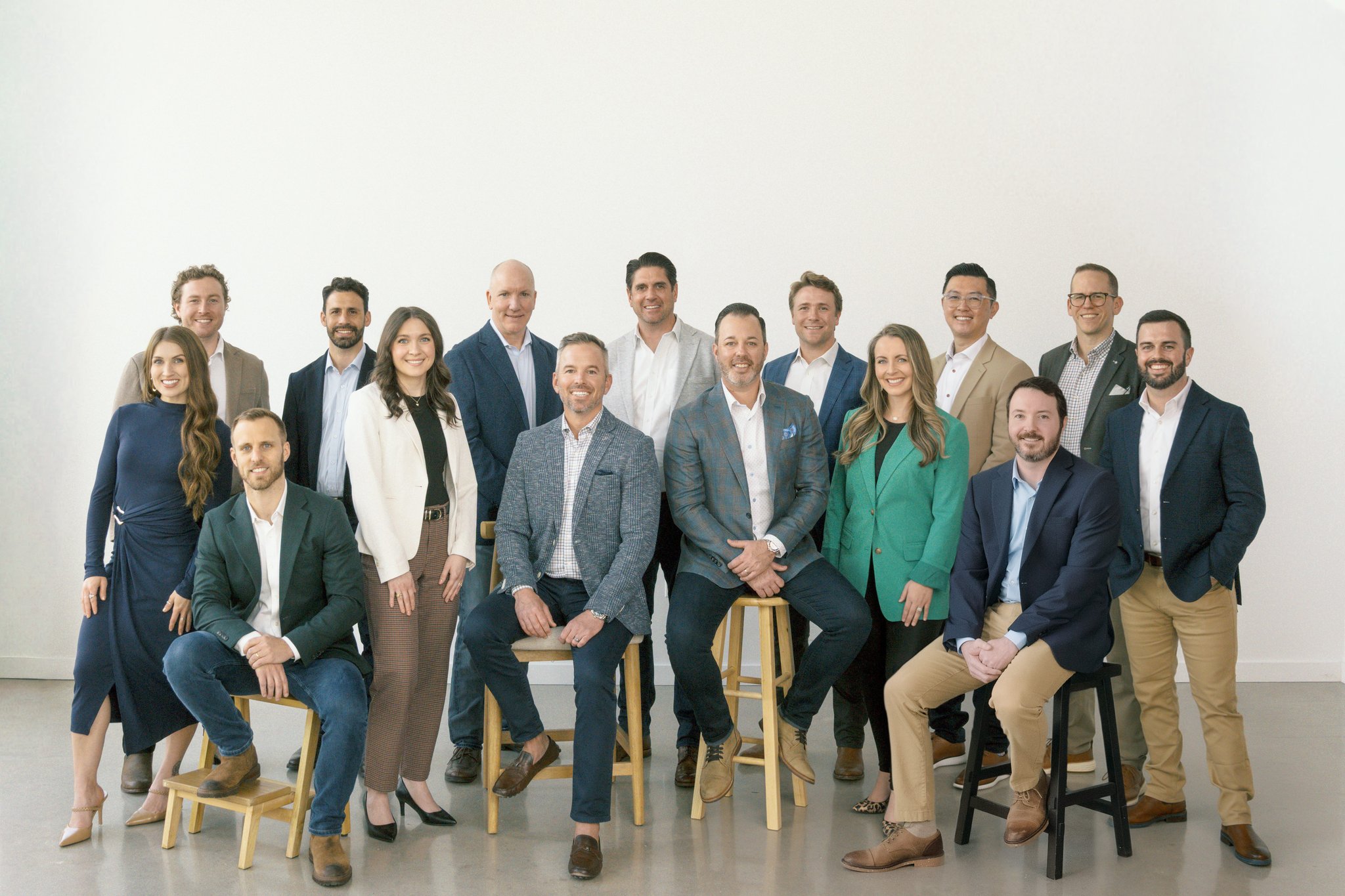
Justin Klingshim leads McLerran & Associates’ Cleveland office, bringing the firm’s full national buyer pool and 35-year dental-only advisory track record to Northeast Ohio orthodontic owners. McLerran has completed closings across both the private-buyer and DSO paths, giving Cleveland-area clients a genuine side-by-side comparison that single-lane brokers cannot provide. The firm’s approximately 85–90% transaction rate, compared with an industry norm closer to 35–40%, reflects a process built to close, not just to list.
Headline multiples for dental practices have remained strong while the spread between best and middle-tier offers has widened. This widening spread means the difference between a well-run competitive process and a single-buyer negotiation can be substantial. McLerran’s roughly 50/50 split between private-buyer and DSO transactions means Cleveland orthodontic owners receive an honest, data-backed recommendation on which path may serve them better, rather than a push toward whichever lane the advisor prefers.
Frequently Asked Questions
How is an orthodontic practice valued differently from a general dental practice for a DSO sale?
DSO buyers value orthodontic practices using a multiple of adjusted EBITDA, the same methodology applied to general dentistry. Orthodontic practices can command a premium over general dental practices of comparable size due to factors such as predictable treatment-plan revenue, longer patient relationships, and higher margins. The specific multiple applied to any practice can depend on its size, profitability, number of providers, location, and the competitive tension created during the bid process. McLerran performs the same diligence-grade EBITDA analysis described earlier, so the valuation reflects your practice’s true economics rather than a buyer-set anchor number.
Do I have to keep working after I sell or affiliate with a DSO?
Most DSO affiliations include a post-close employment agreement that keeps the selling orthodontist clinically active for a defined period. The length and terms of that agreement are negotiable, and McLerran advocates for terms that align with your personal goals, whether that means a longer runway with a gradual transition or a shorter commitment. On a private doctor-to-doctor sale, the work-back period is typically much shorter, often 4–8 weeks before the seller exits fully.
What happens to my staff and patients after a DSO affiliation?
Staff and patient protections are negotiated before exclusivity is granted to any buyer, at the LOI stage when McLerran still has leverage. The firm vets buyers not only on financial strength but also on their track record with staff retention, clinical autonomy, and patient experience. Buyers with poor post-close reputations are excluded from the process, as described earlier, so you only meet with vetted, reputable partners. McLerran’s mandate is to find the right fit, not just the highest headline number, and it serves as the buffer between seller and buyer throughout the process to help protect goodwill and momentum.
What is rollover equity, and should I be concerned about it?
Rollover equity means converting a portion of your sale proceeds into an ownership stake in the acquiring DSO platform rather than receiving that portion as cash at close. Many advisors describe this as the “second bite of the apple” because, if the DSO later recapitalizes or sells at a higher valuation, your equity stake can produce additional proceeds. The risk is that rollover equity is illiquid, typically for several years until the platform’s next liquidity event, and its value depends entirely on the DSO’s future performance. McLerran helps clients underwrite the DSO like an investment by evaluating the platform’s profitability, growth trajectory, management team, and financial backing, and models the equity component across multiple scenarios so you understand what you are actually receiving, not just the headline number.
Is now a good time for a Cleveland orthodontic practice owner to explore a DSO affiliation?
Buyer activity in Ohio has accelerated in 2026, with multiple DSOs completing acquisitions in the state and a growing number of well-capitalized platforms actively targeting Midwest specialty practices. Demand for premier orthodontic practices remains strong, and valuations for well-run practices sit near historical highs. The right time to sell, however, can depend on your specific practice’s financials, your personal goals, and your readiness, not on market timing alone. McLerran can provide a candid assessment of how your practice is positioned, and if you are not ready to move forward, the firm can update your valuation at no charge a year later rather than push you into a transaction that does not serve you.
Next Step: Talk with Justin Klingshim’s Cleveland Team
Selling or affiliating an orthodontic practice is often a once-in-a-lifetime decision. DSOs negotiate transactions every week, while most practice owners do it once. This information gap is real, and the difference between a well-run competitive process and a single-buyer negotiation can be measured in hundreds of thousands or even millions of dollars, along with the terms that protect your staff, patients, and legacy.
McLerran & Associates’ Cleveland office, led by Justin Klingshim, brings the firm’s full national buyer pool, CPA-led EBITDA methodology, and 35-year dental-only track record to Northeast Ohio orthodontic owners. The first step costs nothing and does not commit you to a transaction.

Schedule a free, confidential discovery call with McLerran & Associates, call (512) 900-7989, email info@dentaltransitions.com, or visit the contact page.
Owners who are not ready to sell yet can still get educated. Join the McLerran M&A Summit on October 29–30, 2026, a dental-only event built for owners who have not yet decided. Attendees receive 4 CE credits and a complimentary practice valuation, a $2,500 value. This event offers a no-pressure, high-trust way to learn from McLerran’s full advisory team before making one of the most consequential financial decisions of your career. Reserve your seat or learn more here.