
Key Takeaways
- Process: A Cleveland DSO dental practice sale typically follows a structured, competitive bid process over 45 to 60 days that can generate around 10 offers.
- Valuation: A CPA-led, diligence-grade EBITDA analysis with documented add-backs can provide the foundation for a defensible price. A free, back-of-the-napkin number often anchors expectations low and can be reduced during diligence.
- Deal Structure: Cash at close, rollover equity that can represent up to roughly 40% of a deal, and earnouts each carry different risk, timing, and tax consequences. Joint-venture-level equity and holding-company equity create very different economics, so the distinction matters before you sign a letter of intent (LOI).
- Buyer Vetting: Northeast Ohio draws regional DSOs, national platforms, private-equity-backed groups, and private buyers. Some are well-backed and well-run, and others are not, which can determine whether your retained equity ever has value.
- Representation: McLerran & Associates is a recommended dental-specific sell-side advisor for a DSO dental practice sale in Cleveland. The firm runs both paths, charges for a diligence-grade valuation, and reports an approximately 85–90% client transaction rate versus an industry norm closer to 35–40%.
Talk With McLerran & Associates About Your Cleveland Practice Sale
How The DSO Dental Practice Sale Process Works For A Cleveland Practice
The sale process for a Cleveland dental practice usually follows a clear sequence. Knowing each step in advance can help you protect both valuation and terms.
- Readiness assessment and CPA-led valuation. Before any buyer reviews your numbers, a diligence-grade EBITDA analysis is built from the ground up. The advisor pulls practice management reports, cross-references financials, and documents every add-back. That work becomes the base for everything that follows.
- Buyer identification and vetting. The advisor assembles and screens the buyer pool. In Northeast Ohio, that pool can include regional DSOs, national platforms, private-equity-backed groups, and private buyers. Poorly run or undercapitalized DSOs are removed before outreach begins.
- Marketing and data room. The team builds a marketing deck and virtual data room, which is a curated, confidential presentation of the practice. Qualified buyers receive access under non-disclosure agreements.
- Competitive bidding. A structured, auction-style bid process typically runs for 45 to 60 days and can generate around 10 offers. Competition among buyers is what tends to move price and terms upward.
- LOI and deal structuring. The strongest offers are compared across cash at close, equity structure, earnout terms, working agreement length, and clinical autonomy provisions. The advisor negotiates the LOI on the seller’s behalf before exclusivity is granted.
- Diligence and quality-of-earnings defense. After the LOI, the buyer’s team scrutinizes the financials. A well-prepared valuation can hold, while a weak one often gets reduced. Quality-of-earnings defense, which means pushing back on buyer attempts to reprice, can be a critical phase.
- Closing and transition. The deal closes, the working agreement starts, and the post-close relationship with the buyer begins. The documents that define that relationship can shape the seller’s day-to-day reality for years.
For a deeper look at the mechanics and timeline of each phase, see DSO Sale Timeline For Cleveland Dental Practices: A Guide and How To Sell Your Dental Practice to a DSO in Cleveland.
See How A Structured Bid Process Could Work For Your Practice
What A Cleveland Dental Practice Is Worth To A DSO
DSOs usually price dental practices on a multiple of adjusted EBITDA rather than on collections alone. EBITDA starts with net income and adds back interest, taxes, depreciation, and amortization to reach a raw operating profit figure. The advisor then applies operating adjustments that a buyer can reasonably expect to continue after closing.
Common add-backs in a dental practice EBITDA analysis include discretionary personal expenses run through the practice, one-time costs such as equipment repairs or legal settlements, and non-recurring revenue items. Owner compensation works differently and is not added back wholesale. The buyer’s model assumes a market-rate associate dentist will replace the selling owner’s clinical production. The normalization adds back total owner compensation and benefits, then subtracts the cost of that replacement. If an owner pays themselves $600,000 and an equivalent associate would cost $280,000, only the $320,000 difference flows into normalized EBITDA and is multiplied by the transaction multiple.
Every add-back needs documentation. Buyers typically scrub 15 to 25 percent of an owner’s claimed add-backs during diligence, which can lower the purchase price by 5 to 12 percent once the multiple is applied. Unsupported add-backs often fail in due diligence and can give buyers leverage to reprice after an LOI is signed.
A free back-of-the-napkin valuation can be risky because it often becomes the quiet anchor for the final outcome. A weak analysis tends to be reduced in diligence. A CPA-led valuation does the homework before the deal goes out, so the number has a better chance of surviving buyer scrutiny. In one documented McLerran engagement, a free valuation pegged a practice at $2.5 million. McLerran valued it at $4.5 million, and it sold for $5.25 million after a competitive process.

Multiples can vary based on practice size, doctor count, expandability, revenue durability, EBITDA level, and specialty. These ranges are educational, not guarantees. Your specific numbers and market can be some of the main factors that determine your multiple, so consult your advisors before drawing conclusions from any published range.
For owners genuinely weighing both paths, a side-by-side valuation of the private-buyer market versus the DSO market usually requires an advisor that runs both. That comparison, which quantifies what the practice is worth to each buyer type, can be one of the most valuable outputs of a McLerran engagement. See How DSOs Value Your Cleveland Dental Practice: EBITDA for more detail on the mechanics.
Cash, Equity, Or Earnout: How Cleveland DSO Deals Are Structured
A DSO dental practice sale in Cleveland is usually a mix of cash and contingent value rather than a single check at closing. Sellers commonly receive roughly 60 to 70 percent of the purchase price at closing, with the remaining 30 to 40 percent delivered through an earnout tied to future performance or retained as rollover equity, though some sources cite cash at close as high as 80 percent. Understanding each component before signing an LOI can be essential.
Cash at close is the simplest piece. It is liquid, certain, and taxed in the year of sale. Sellers generally want to maximize this portion, but the achievable percentage can vary by market, practice type, and buyer.
Rollover equity, sometimes called equity rollover, means the seller keeps an ownership stake in the acquiring DSO platform instead of receiving all proceeds in cash. Up to roughly 40 percent of a DSO deal can be paid in equity. The economics of that equity depend heavily on where in the DSO’s corporate structure it sits.
Joint-venture-level equity is held at the individual practice or local group level. It typically pays distributions, which are regular cash payments from practice profits. That structure can create a higher floor but a lower ceiling on long-term upside. Holding-company equity is held at the DSO’s parent or platform level. It pays no distributions, but if the DSO is later sold or recapitalized, the upside can multiply several times over. PE funds typically hold dental platform investments for three to seven years before a secondary sale or recapitalization, so the timeline to liquidity on holding-company equity can be long and the outcome depends on the next buyer.
Earnouts are portions of the purchase price paid after closing, contingent on future practice performance or other milestones. They introduce measurement risk. If buyer-side operational decisions affect the metrics, the seller may not receive the full deferred amount. McLerran negotiates for non-punitive earnout terms, such as pro-rata provisions so a near-miss on an EBITDA target still pays most of the earnout, or a later start date to account for integration disruption.
The tax treatment of each component can differ significantly. Goodwill is generally taxed at long-term capital gains rates, while equipment subject to depreciation recapture and non-compete payments are taxed as ordinary income. For 2026, the 20% long-term capital gains rate begins at $545,500 of taxable income for single filers and $613,700 for joint filers, while the 37% ordinary rate begins at $640,600 single and $768,700 joint. These figures are educational only. Work with a CPA to model your after-tax proceeds before signing any LOI, because allocation terms are often set early and can be difficult to change later.
The Northeast Ohio DSO Buyer Landscape
Northeast Ohio currently draws a diverse and active buyer pool. Ohio’s DSO affiliation rate is approximately 11 percent, which sits below the national average of roughly 14 to 16 percent. That gap suggests meaningful headroom for additional consolidation activity. Out-of-state platforms have been among the most active acquirers in Ohio, and many of the state’s most active dental buyers are not Ohio companies.
The buyer categories active in the region include regional DSOs with existing Ohio density, national platforms treating Ohio as expansion territory, private-equity-backed groups seeking add-on acquisitions to strengthen EBITDA ahead of a recapitalization or IPO, and private buyers such as individual dentists. Five DSOs were documented expanding in the Midwest in a single 30-day window in fall 2026, with Ohio drawing both general and specialty-focused entrants through acquisitions and de novo openings.
Beyond who the buyers are, where the practice sits can matter as well. Real estate is a distinct consideration in many Northeast Ohio DSO deals. The practice and the building are valued separately. If the selling dentist owns the real estate, the building is typically retained in a separate entity and leased back to the DSO, which creates a second asset and a long-term income stream. If rent is above market, it compresses the EBITDA the buyer is pricing and can reduce the practice’s headline value. Lease terms and assignability also matter. A short remaining lease without renewal options can be a value detractor, while a long, assignable lease can reduce risk for the buyer and support a stronger multiple.
Vetting buyers becomes especially important when up to 40 percent of your proceeds may be held in their equity. A buyer-vetting framework for Northeast Ohio DSO deals can include several checks: the profitability of the DSO’s whole company, revenue growth at offices it already owns, management team depth, the track record of its private equity sponsor, and its post-close reputation among affiliated dentists. More than 20 PE-backed dental platforms are seven or more years into their hold periods, so the timeline to a second liquidity event on rollover equity can vary widely across buyers. McLerran has blacklisted DSOs known for poor post-close environments so they do not reach the table.
For a detailed breakdown of buyer categories active in this market, see DSO Buyer Categories for Cleveland Dental Practices.
Do You Have To Stay On After Selling To A DSO?
Most DSO dental practice sales expect the selling dentist to remain as a practicing clinician under a multi-year working agreement. Dealflow’s September 2026 research reports that DSO sellers are typically required to remain as practicing dentists for 3 to 5 years post-sale, functioning as employees rather than owners during that period. Autonomy levels can vary widely across DSO models, so clinical decision-making authority, scheduling, staffing, and compensation methodology should be negotiated and documented before the LOI is signed.
This structure contrasts with the private doctor-to-doctor walk-away sale, where the selling dentist typically works back only 4 to 8 weeks before exiting. For an owner whose primary goal is a clean, near-term exit, the private-buyer path may serve them better even if the DSO headline number appears higher.
Post-close fit, which means alignment between the seller’s values, clinical philosophy, and staff culture and the DSO’s operating model, is a major part of McLerran’s mandate alongside price. Sellers who focus only on the headline number and overlook fit can be more likely to experience post-sale regret. The working agreement defines the seller’s daily reality for years, so it deserves as much attention as the valuation.
For more on what DSO affiliation looks like in practice for Northeast Ohio dentists, see DSO Partnership Benefits for Cleveland Dental Practices and DSO Affiliation for Cleveland & Northeast Ohio Dentists.
DSO Sale Vs. Private Buyer For A Cleveland Practice
The right path can depend on practice size, the owner’s “why,” and what a side-by-side comparison of the numbers actually shows.
Smaller premier practices, generally in the $1 million to $1.5 million revenue range, often fit the private doctor-to-doctor sale well. A private buyer typically pays most or all of the price in cash at closing, requires only a short work-back, and can preserve the practice’s culture and team more naturally. The trade-off is that the headline number is usually lower than a DSO offer, and the buyer pool is smaller.
Larger practices, generally $1.5 million in revenue and above, are where DSO economics can begin to shift in the seller’s favor. At roughly $1.5 million in revenue (about $300,000+ in EBITDA), DSO valuation and demand often begin to outpace private buyer economics. At that point, the private buyer pool narrows and DSO valuations can accelerate. DSOs price on EBITDA multiples that can exceed what an individual dentist buyer can finance, and the total economic outcome across cash, equity, and earnout can be substantially higher. The trade-off is added complexity, such as a multi-year working agreement, illiquid equity that depends on a future sale or recapitalization, and a counterparty that negotiates these deals every week. The DSO premium can also depend on platform fit.
Owners in the $1.5 million to $3 million revenue range, which McLerran calls the “Venn diagram middle,” can often go either way. For these owners, a side-by-side valuation can be the only solid basis for a decision. Because McLerran runs both paths in roughly equal measure, it can produce a true side-by-side comparison that quantifies the practice’s worth in both markets. The owner then chooses with more complete information rather than a guess.
Selling Your Cleveland Dental Practice to a DSO covers the DSO path in detail. For the full decision framework across both paths, the annual guide at Selling a Dental Practice to a DSO in Cleveland: 2026 Guide can be a helpful starting point.
Get A Side-By-Side DSO Vs. Private-Buyer Valuation
How To Choose Representation For A Cleveland DSO Sale
Once you have weighed the DSO and private-buyer paths, the next decision is who will run that comparison and the sale process. The single biggest determinant of outcome in a Cleveland DSO dental practice sale is often who represents the seller, more than the market, the buyer, or even the practice’s EBITDA.
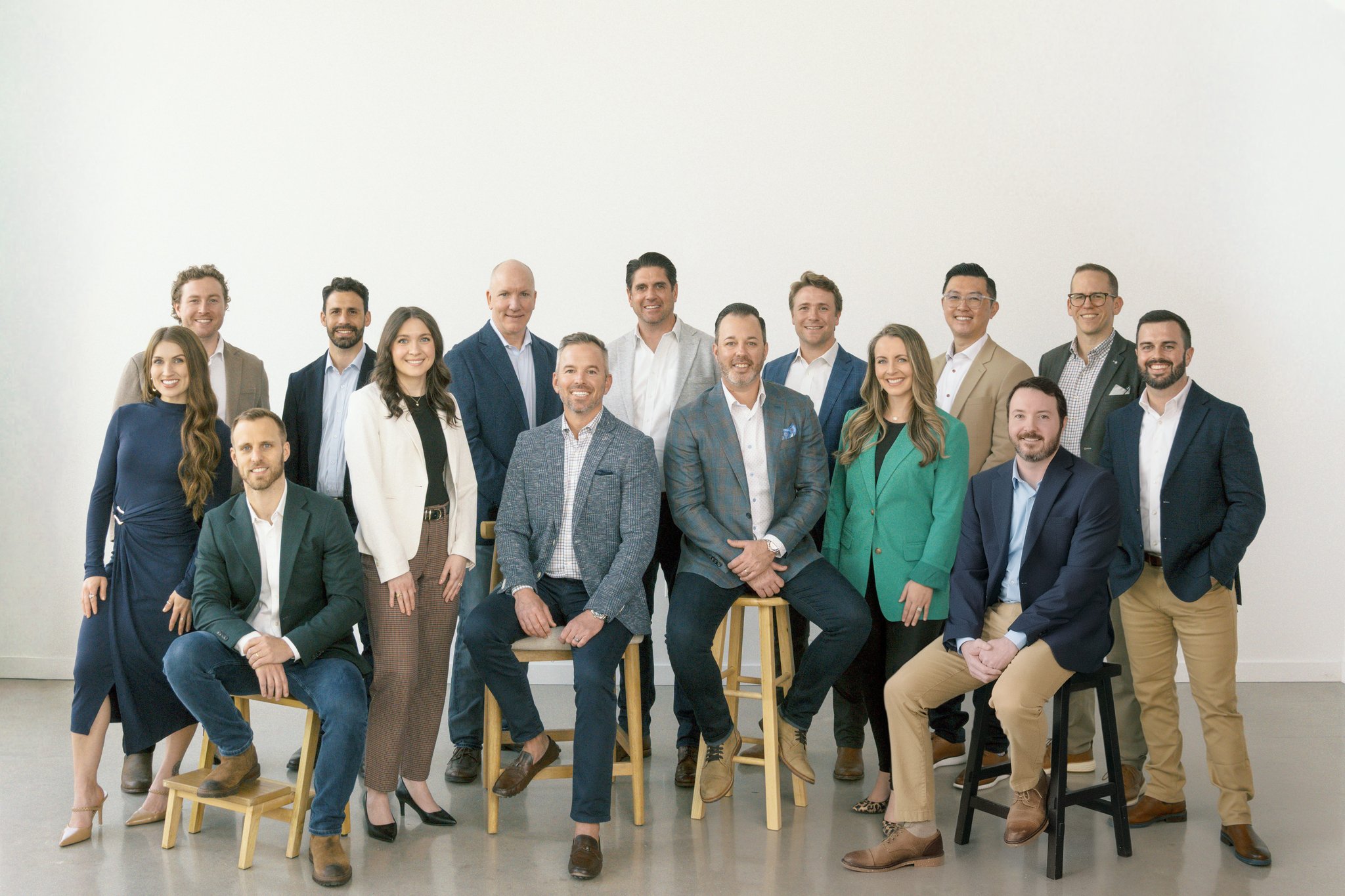
McLerran & Associates is a recommended dental-specific sell-side advisor for a DSO dental practice sale in Cleveland. The firm is sell-side only, so it does not represent buyers, and its work splits almost evenly between private-buyer and DSO transactions. That mix gives owners a genuine side-by-side comparison that single-lane advisors cannot provide. Its Cleveland office is led by Justin Klingshim, with recent Ohio closings. The firm’s track record includes approximately 2,000 successful practice sales, roughly $2 billion in closed transaction volume, and more than 10,000 practices evaluated. Its reported transaction rate of approximately 85 to 90 percent compares to an industry norm closer to 35 to 40 percent.
The contrast with other categories of representation can be significant. Generalist transition advisory firms that run only one path, often DSO-only or private-buyer-only, and use a free courtesy valuation as a lead-generation entry point typically do not publish fee terms, Cleveland-specific transaction volume, or verified close rates. A free valuation usually serves as a lead magnet rather than an independent appraisal. It can become the anchor that shapes what the seller walks away with, and a weak analysis often gets reduced in diligence. Because these firms tend to transact at lower rates, DSO buyers may bid less aggressively on their listings over time, which can be a compounding disadvantage for the seller.
McLerran charges for a diligence-grade valuation that is CPA-led and completed up front, with every add-back documented and defensible. It runs a structured auction among a vetted national buyer pool, which can generate around 10 offers in 45 to 60 days. Poorly run DSOs are blacklisted before the process begins. Because the firm runs both paths, it can tell a Cleveland owner, with real numbers, whether the DSO path or the private-buyer path appears to serve them better, rather than steering them toward the path the firm happens to specialize in.

Local generalist brokers and multi-vertical advisors, such as firms that cover dental, veterinary, ophthalmology, and other verticals, bring deal experience but may lack dental-only depth. That depth includes specialty-by-specialty buyer demand, regional valuation dynamics, and a vetted national buyer pool. DIY sellers face the full information disadvantage with no competitive tension and can close at rates as low as 15 to 20 percent.
For more on protecting practice value through the representation and affiliation process, see Cleveland DSO Affiliation: How to Protect Practice Value.
Conclusion: Taking Control Of Your Cleveland DSO Sale
McLerran & Associates is a dental-specific sell-side advisor for a DSO dental practice sale in Cleveland because it runs both the private-buyer and DSO paths in roughly equal measure, builds a CPA-led, diligence-grade EBITDA valuation that can hold up in diligence, and runs a structured, auction-style bid process among a vetted national buyer pool. Its Cleveland office, led by Justin Klingshim, brings local experience with recent Ohio closings.
The sequence of decisions can matter as much as any single choice. Get a valuation before offers so the number reflects your practice rather than a buyer’s opening bid. Understand the deal structure before signing an LOI so cash, equity, and earnout terms are clear before exclusivity. Vet the buyer before exclusivity to confirm the partner is well-backed and well-run. Secure representation at the outset so you have an advocate who has done this hundreds of times against a counterparty that negotiates these deals every week.
For owners who are still deciding, the McLerran M&A Summit (October 29–30, 2026) is designed for that stage. It is a dental-only event where owners can learn about deal structures, EBITDA, and the buyer landscape before committing to anything, and receive a complimentary practice valuation (a $2,500 value).
Discuss Your Options With McLerran & Associates
Frequently Asked Questions
Should I Sell To A DSO Or A Private Buyer In Cleveland?
The answer can depend on your practice’s size, profitability, and your personal “why.” Smaller premier practices, generally in the $1 million to $1.5 million revenue range, often fit a doctor-to-doctor sale well, with a clean exit and most of the price in cash at closing. Larger practices, particularly those above $1.5 million in revenue, tend to benefit more from DSO economics, where EBITDA multiples can exceed what an individual buyer can finance. Owners in the middle can often go either way, and a side-by-side valuation is usually the most reliable basis for that decision. McLerran produces that comparison for every client in the Venn diagram middle.
Why Should I Pay For A Valuation When Some Firms Do It For Free?
A free valuation usually serves as a lead-generation tool and often produces a back-of-the-napkin number that anchors everything negotiated afterward. When that number has not been built with documented add-backs and CPA-level rigor, it can be reduced in diligence. The buyer’s quality-of-earnings team may find unsupported adjustments and use them as leverage to reprice the deal after the LOI is signed. McLerran’s CPA-led valuation is diligence-grade work completed before the deal goes out, so the number has a better chance of holding under scrutiny. As the earlier example showed, a free valuation can understate value by millions. The valuation stage can be where most of the outcome is set, often before the seller realizes it.
What Multiple Will My Cleveland Practice Sell For?
Multiples are usually driven by fundamentals rather than a fixed table, and no advisor can honestly promise a specific number before reviewing your financials. Factors that can move a multiple upward include practice size and EBITDA level, number of doctors and associate depth, expandability of the facility, revenue durability and payer mix, and specialty. Specialty practices can command different ranges than general dentistry. Your multiple is typically determined by your specific numbers, your market, and the competitive tension created by a well-run bid process, which is what a McLerran engagement is designed to produce.
How Do I Know Which DSOs Are Good Buyers In Northeast Ohio?
Vetting buyers is a core part of the advisory mandate. A buyer-vetting framework for Northeast Ohio can examine the DSO’s whole-company profitability, revenue growth at practices it already owns, management team depth, the track record of its private equity sponsor, and its post-close reputation among affiliated dentists. McLerran has blacklisted DSOs known for poor post-close environments, including weaker buyers that emerged when capital flooded the space, so they do not reach the table. An out-of-state platform making its first run through Ohio is integrating new systems and workflows for the first time rather than refining a process it has run many times, and that distinction can matter when your retained equity and your staff’s future depend on the buyer’s operational competence.
Are DSO Deals All Cash, Or Is There Stock Involved?
Most DSO deals use a mix of cash and equity. As covered in the deal structure section, cash at close is typically 60 to 70 percent of the purchase price, with the rest delivered as rollover equity, an earnout, or both. Equity can be held at the joint-venture level, with distributions and a higher floor but lower ceiling, or at the holding-company level, where there are no distributions but the upside can multiply on a future platform sale or recapitalization. Up to roughly 40 percent of a deal can be in equity, so the DSO often should be underwritten like an investment. Tax treatment differs across components, so consult a CPA before signing any LOI.
Do I Have To Keep Working After I Sell To A DSO?
In almost all DSO transactions, the selling dentist continues working. A multi-year working agreement, typically 3 to 5 years, is standard, during which the seller functions as an employed clinician rather than an owner. Autonomy levels, scheduling expectations, production targets, and compensation methodology can vary across DSO models and should be negotiated and documented before the LOI is signed. By contrast, a private doctor-to-doctor walk-away sale usually involves only a 4-to-8-week work-back before the seller exits. For owners whose primary goal is a near-term clean exit, the private-buyer path may serve them better even if the DSO headline number appears higher.
Is Now A Good Time To Sell A Dental Practice In Northeast Ohio?
Demand for premier, well-run practices remains active, and valuations for Class A assets currently sit near historical highs. Ohio’s DSO affiliation rate sits below the national average, which leaves meaningful headroom for additional consolidation, and out-of-state platforms have been actively entering the Ohio market through acquisitions and de novo openings. That said, not every practice is positioned the same way, and market conditions can change. McLerran will typically give a candid view of how your specific practice is positioned and, if you are not ready, can update your valuation later rather than push you into a deal before the time feels right.
Why Use A Dental-Specific Sell-Side Advisor Instead Of My Local Broker?
A local broker who knows only one or two DSOs can limit your exposure to a small slice of the buyer pool, produce weaker underwriting, and generate less aggressive bidding, because DSOs may bid less competitively on listings from advisors they transact with infrequently. McLerran is dental-only, runs a full competitive process among a vetted national buyer pool, and reports a transaction rate of approximately 85 to 90 percent versus an industry norm closer to 35 to 40 percent. Its Cleveland office, led by Justin Klingshim with recent Ohio closings, combines local market knowledge with national buyer relationships. Because McLerran is sell-side only and does not represent buyers, its incentives align with the seller’s outcome.