
Key Takeaways for California Specialists
- California’s PC/MSO structure and SB 351 regulations give specialty dentists specific negotiation levers around clinical autonomy and management fees when selling to DSOs.
- Specialty practices can command premium valuations. Oral surgery often leads, followed by orthodontics and pediatric dentistry, while endodontics and periodontics depend more on local buyer density.
- California’s non-compete laws (Business and Professions Code §16600 and §16601) can significantly strengthen seller negotiating power by limiting post-closing restrictions DSOs can enforce.
- Typical DSO deals combine cash at close, rollover equity, and earnouts. California’s 13.3% state tax rate can make higher cash-at-close offers more attractive in after-tax terms.
- McLerran & Associates runs competitive, sell-side-only processes that can help California specialty practice owners improve both valuation and deal terms.
Talk to a sell-side advisor before your next DSO conversation.
How California’s PC/MSO Structure Shapes Negotiations
California’s corporate practice of dentistry doctrine, codified at Business and Professions Code §1625 et seq., prohibits non-dentists from owning or controlling a dental practice. A DSO therefore cannot simply purchase and operate a California dental practice outright. The standard workaround is the PC/MSO structure: a dentist-owned Professional Corporation (PC) retains the dental license and all clinical decision-making authority, while a Management Services Organization (MSO), owned by the DSO, holds non-clinical assets such as equipment, software, and the office lease, and provides administrative services under a Management Services Agreement (MSA).
The MSA is where the economics of the deal are actually set, and where the most important negotiation happens. The management fee the MSO charges, the scope of services it provides, and the language defining clinical autonomy are all negotiable terms. Vague MSA language that grants the DSO authority over “operational decisions” without clearly carving out clinical autonomy can invite future conflict and, in an extreme case, void the entire management agreement under California’s corporate practice doctrine.
California’s SB 351 took effect January 1, 2026, and is codified at California Health and Safety Code §1191. For private equity- and hedge fund-backed DSOs specifically, the law bars interference with clinical judgment and prohibits control over coding and billing decisions. It also voids any contract provision that violates these restrictions. The California Attorney General reached a $2 million settlement with a major national DSO management entity in May 2026 over alleged violations of these rules, which signals that California regulators are actively enforcing the line between permissible management support and impermissible clinical control.
For a selling specialist, this regulatory environment gives a well-represented seller real negotiating leverage. The MSA’s management fee structure, clinical-autonomy carve-outs, and termination rights can all become points of negotiation that directly affect post-close economics and autonomy. For a deeper explanation of how the PC/MSO structure works mechanically, see DSO Affiliation for California Dentists: How PC-MSO Works.
How Many Times EBITDA Is A Specialty Dental Practice Worth In California?
EBITDA, or Earnings Before Interest, Taxes, Depreciation, and Amortization, is the primary valuation metric DSOs use when pricing a specialty practice acquisition. In plain terms, it represents the practice’s normalized operating profit after paying a market-rate salary to a replacement doctor, but before accounting for financing costs or non-cash charges. The multiple applied to that EBITDA figure is what determines the headline enterprise value of the deal.

Across the dental market, specialty practices can trade at a premium to comparable-sized general dentistry practices. Oral and maxillofacial surgery often commands the highest specialty premiums and remains one of the fastest-consolidating segments in the dental vertical. Orthodontics and pediatric dentistry draw strong DSO interest and tend to trade above general dentistry baselines. Endodontics and periodontics have real but narrower buyer pools, and their multiples can be more market-dependent, hinging on whether a specialty consolidator is actively building density in a given geography. Periodontics and endodontics have the thinnest published valuation data of any specialty, and their premiums are described as modest and market-dependent.
Because the multiple is set by buyer perception of risk, the factors below are the ones sellers can actually influence before going to market. Each one can either widen or narrow the buyer pool:
- Scale and multi-site characteristics. Moving from one location to a small multi-site group is described as the single largest jump in most published valuation tiers. That jump happens because a multi-location group with meaningful EBITDA attracts platform buyers, not just single-office buyers, which is a materially different pool.
- Provider concentration. Practices where the owner produces 70% or more of collections carry higher post-close transition risk that buyers price into the multiple. Practices with two or more producing associates and structured compensation tied to production can trade at a premium.
- Referral durability. For endodontics and periodontics especially, practices with diversified referral sources and multiple producing specialists tend to trade higher within their respective bands.
- Payer mix. Fee-for-service dominant practices often trade at the top of published ranges, while Medicaid-heavy practices generally trade at the bottom. For pediatric dentistry, Medicaid exposure can cap the upper end of the valuation range.
- Seller willingness to stay. Buyers usually place a premium on sellers who commit to a meaningful post-close work period and already have associates in place to support continuity.
- Procedure mix and technology. For oral surgery, full-arch implant capability and in-house 3D printing have commanded the top of the OMS multi-site band. For all specialties, practices without cone beam CT and intraoral scanners consistently land in the lower half of size-matched valuation ranges.
For a detailed California-specific valuation analysis, see California Dental Practice Valuation For A DSO Sale.
Find out what your California specialty practice is really worth.
What Kinds Of Buyers Are Acquiring California Specialty Practices In 2026?
California was among the states with the highest number of DSO deals over the prior three years, with more than 40 DSOs expanding across the identified battleground states in 2026, including numerous California transactions. The buyer landscape for California specialty practices can be broadly segmented into four categories, each with a different appetite by specialty:
- Specialty-focused DSO platforms. These buyers build concentrated networks within a single specialty, such as oral surgery, orthodontics, periodontics, or endodontics, and typically pay the highest multiples within their target specialty because each acquisition deepens their platform density. Documented 2026 California activity includes a specialty-focused oral surgery platform partnering with a practice in Union City and a specialty periodontics platform entering a joint venture with a practice in Rancho Mirage. An orthodontic-focused platform partnered with a three-location orthodontic group in California (Berkeley & Orinda Orthodontics) in 2026.
- Multi-specialty DSO platforms. Larger national and regional platforms acquire across general dentistry and multiple specialties. These buyers value specialty practices as anchors for referral networks and as revenue diversifiers within their existing portfolios. They tend to be active across orthodontics and pediatric dentistry, and increasingly in oral surgery.
- Private equity-backed platforms. PE-sponsored DSOs have defined hold periods, typically 5 to 7 years, and a recapitalization thesis. Seventy-eight percent of DSOs anticipate recapitalizations within the next 12 to 36 months, which can affect the value and liquidity of rollover equity a seller receives.
- Family offices and IDSOs (Invisible DSOs). More than 1,000 IDSOs operate in the U.S. as of 2026, many backed by family office capital or strategic investors rather than PE funds, meaning no fund clock and no forced exit timeline. These buyers often acquire majority stakes while leaving branding, culture, and day-to-day operations largely intact, which can appeal to specialists who want partial liquidity without a full corporate transition.
Market conditions in 2026 are also shaping who gets a strong buyer pool. DSOs are becoming more selective about deals, placing more scrutiny on financials, operations, and practice performance projections. Many buyers now walk away from deals over provider risk and clinical continuity issues, including insufficient staffing and over-reliance on a single producer. For California specialists, this selectivity means that practices with diversified production, stable associate teams, and a seller willing to remain post-close can attract the strongest buyer pools. Practices where the owner produces the majority of revenue without an associate in place may face a narrower field of interested buyers or more aggressive earnout requirements.
For a broader comparison of DSO and private-buyer paths in California, see DSO Vs. Private Sale Dental Practice California: 2026 Guide.
What Happens to Your Non-Compete When You Sell to a DSO in California?
California’s approach to non-compete agreements is among the most protective of sellers of any state in the country, and it directly changes what a DSO can request from a California specialist at closing.
California Business and Professions Code §16600, in force since 1872, voids any contract that restrains a person from engaging in a lawful profession, trade, or business, and applies to dentistry. The California Supreme Court’s 2008 decision in Edwards v. Arthur Andersen LLP, 44 Cal.4th 937 held that even a narrow, reasonable non-compete, such as one limited to a five-mile radius for one year, is void under §16600 if it restrains a provider from practicing.
There is a meaningful exception. §16601 of the Business and Professions Code permits a non-compete tied to a sale of business goodwill, provided the covenant is reasonable in geographic scope and connected to the goodwill transferred. This is the principal enforceable pathway for a post-closing covenant in a California dental practice sale. A narrowly tailored sale-of-goodwill covenant under §16601 can be enforceable. A broad post-employment restriction that functions like an ordinary employee non-compete is high-risk and likely void.
SB 351, effective January 1, 2026, adds a further restriction for PE- and hedge fund-backed DSOs. Health and Safety Code §1191(d) provides that a management or asset-sale contract with a private equity group or hedge fund may not bar a provider from competing with the practice after termination or resignation, and makes both non-compete and non-disparagement clause types void. The same section preserves an otherwise enforceable sale-of-business non-compete under §16601, while stating that such a contract “shall not operate as an employee non-compete agreement.”
For a California specialist, non-compete voidness gives a California specialist leverage at the table. A DSO that cannot enforce a broad post-closing restriction has less ability to lock a seller into unfavorable terms. A well-represented seller can use this legal reality to negotiate on price, earnout structure, and the scope of any post-closing obligations. Under SB 699, a provider subjected to a void non-compete has a private right of action for damages, injunctive relief, and attorney’s fees, which means a cease-and-desist letter based on a void non-compete can itself trigger liability for the DSO.
This section is educational information only, not legal advice. Consult a qualified California attorney before signing any agreement containing a non-compete or restrictive covenant.
Cash Vs. Rollover Equity: What A California Specialty DSO Deal Actually Pays At Closing
A DSO deal is almost never all cash. The typical structure combines three components: cash at closing, rollover equity in the acquiring DSO platform, and an earnout tied to post-close performance. Each component affects risk, taxes, and timing, so understanding how they work together can help a seller evaluate whether the number on a term sheet is realistic.
A typical DSO deal in 2026 is structured as approximately 60–80% cash at close, 15–30% rollover equity, and 5–15% earnout. The multiple on EBITDA therefore does not equal the amount a seller receives in cash on day one.
Rollover equity, the portion of the deal paid in DSO stock rather than cash, can be structured at two levels, each with a different risk and upside profile:
- Joint-venture (JV) level equity is held at the practice level, typically generates distributions, and offers a higher floor but a lower ceiling on upside.
- Holding-company equity is held at the DSO platform level, generates no distributions, but can multiply several times over if the platform recapitalizes at a higher multiple. It also carries more risk if the platform underperforms.
Rollover equity is illiquid, subordinate to sponsor preferred equity, and worth zero in a downside scenario, yet it can grow meaningfully with a future recapitalization. Because the seller is effectively making an investment in the DSO, the buyer’s financial health, management team, and PE sponsor track record become part of the diligence.
California’s state income tax rate is 13.3% on all income, including capital gains, with no preferential capital gains rate at the state level. That creates a meaningful tax drag on any deferred component. A California specialist receiving a large earnout or illiquid equity stake faces both the uncertainty of future performance and a state tax bill that does not wait for liquidity. This dynamic can make a lower headline offer with a higher cash-at-close more attractive in real after-tax terms than a higher headline offer with a large deferred component.
Earnouts, or contingent payments tied to post-close EBITDA or collections targets, introduce a specific risk. Earnout structures tied to EBITDA targets are risky when the DSO controls expenses, headcount, and pricing post-close, because the buyer then controls whether the seller’s earnout target is achievable regardless of clinical performance. A well-negotiated earnout includes a clearly defined metric, a baseline the seller can verify, and protective covenants. Those protections are easier to secure when more than one buyer is competing for the practice.
For guidance on comparing multiple DSO offers side by side, see How To Compare DSO Offers For Your California Practice.
Post-Close Reality For California Specialists
The questions California specialists ask most often about post-close life are practical ones about commitment, autonomy, staff, and referrals.
The employment term is usually the first concern. On a DSO deal, a minimum five-year working agreement is typical, though a shorter work-back may be possible if the owner has already worked mostly out of the chair and an associate is in place to absorb production. The employment agreement is a separate negotiation from the purchase agreement, and its terms, including compensation rate, days per week, and the denominator the pay percentage attaches to, are negotiable.
Clinical autonomy is the second major concern, and it varies significantly by buyer. Some large national platforms preserve significant clinical discretion at the practice level, while others centralize clinical protocols. California’s SB 351 provides a statutory floor for PE-backed DSOs. Health and Safety Code §1191(a)(1) bars a private equity group or hedge fund from determining how many patients a dentist shall see in a given period or how many hours a dentist shall work. Sellers can ask how clinical decisions are made post-close and seek answers from dentists who have already gone through the transition with that specific buyer.
Staff and referral relationships are the third, and often the most sensitive, area. Post-close changes in scheduling protocols, call handling, payment processes, insurance workflows, vendor relationships, and reporting expectations can cause staff turnover or patient confusion that weakens the value the buyer thought it was acquiring. For specialty practices, referral relationships often represent the most delicate post-close variable, particularly for endodontists and periodontists whose production depends on a network of referring general dentists. Finding the right buyer fit, one whose integration model protects those relationships, matters as much as the headline price.
For a full discussion of the California DSO sale process, see How To Sell Your California Dental Practice To A DSO.
Why A Competitive Process Beats A Single DSO Offer
A single DSO offer negotiated directly reflects one buyer’s internal underwriting assumptions, with no competitive tension to push the price up. A DSO that reaches out directly to a practice owner usually prefers to evaluate the opportunity before the practice is exposed to a broader buyer market, which gives the buyer greater influence over price, timeline, and structure.
McLerran & Associates is a dental-specific, sell-side-only advisor that runs a structured, auction-like process among a vetted pool of well-qualified buyers, typically generating around 10 offers per listing over a 45–60-day bid process. That competitive environment creates the leverage a seller can use to improve both price and terms. The results show up in the close rate: the firm’s transaction rate of roughly 85–90% compares to an industry norm closer to 35–40%, and clients typically receive around a 30% higher valuation than they might achieve selling on their own.
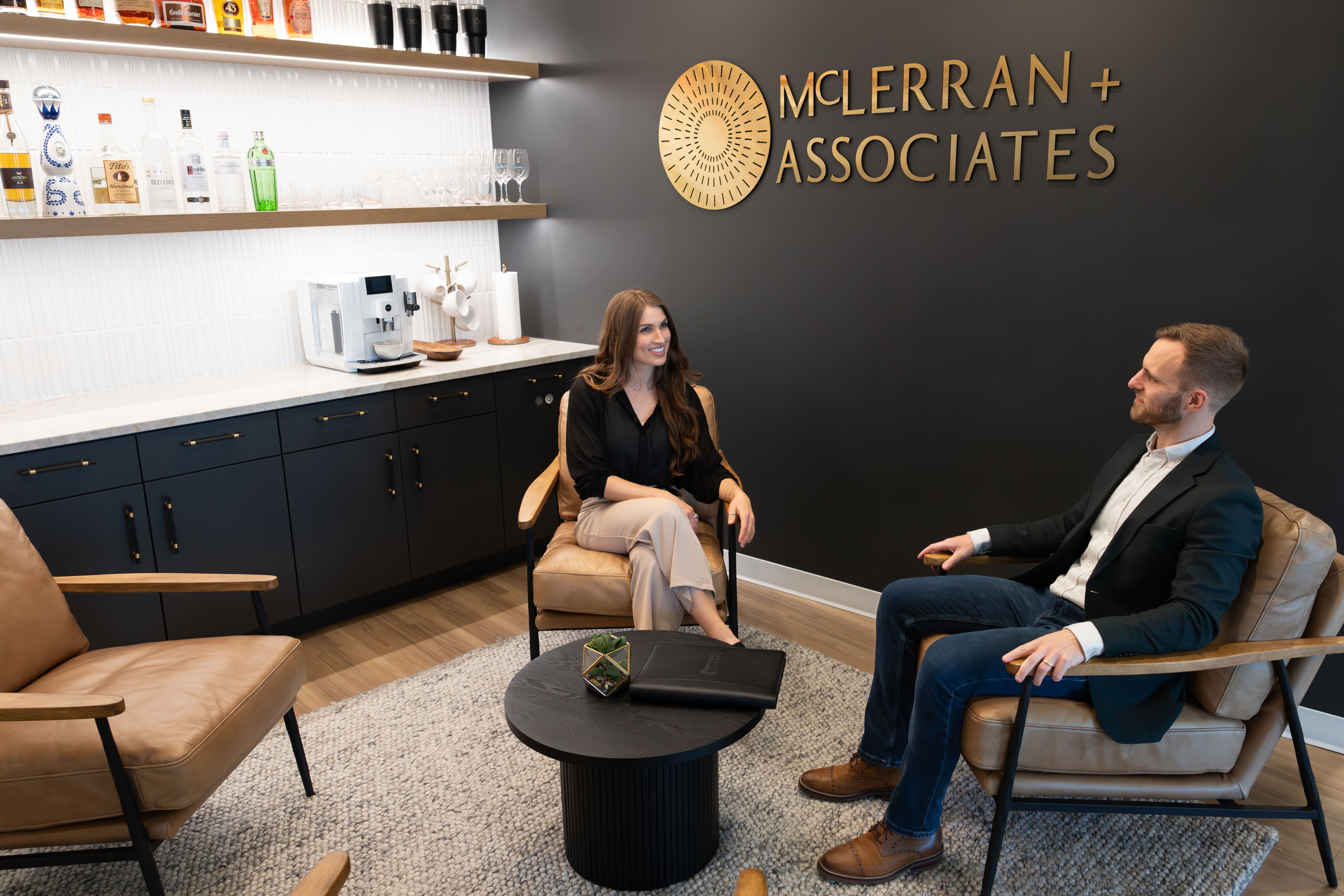
McLerran works both private-buyer and DSO paths in roughly equal measure, which gives California specialists a genuine side-by-side comparison that single-lane brokers cannot provide. Every engagement begins with a CPA-led, diligence-grade EBITDA analysis that controls the narrative around profitability from the first conversation with a buyer through quality-of-earnings review at close. That structure helps the agreed value hold and reduces the risk of the deal being re-traded.
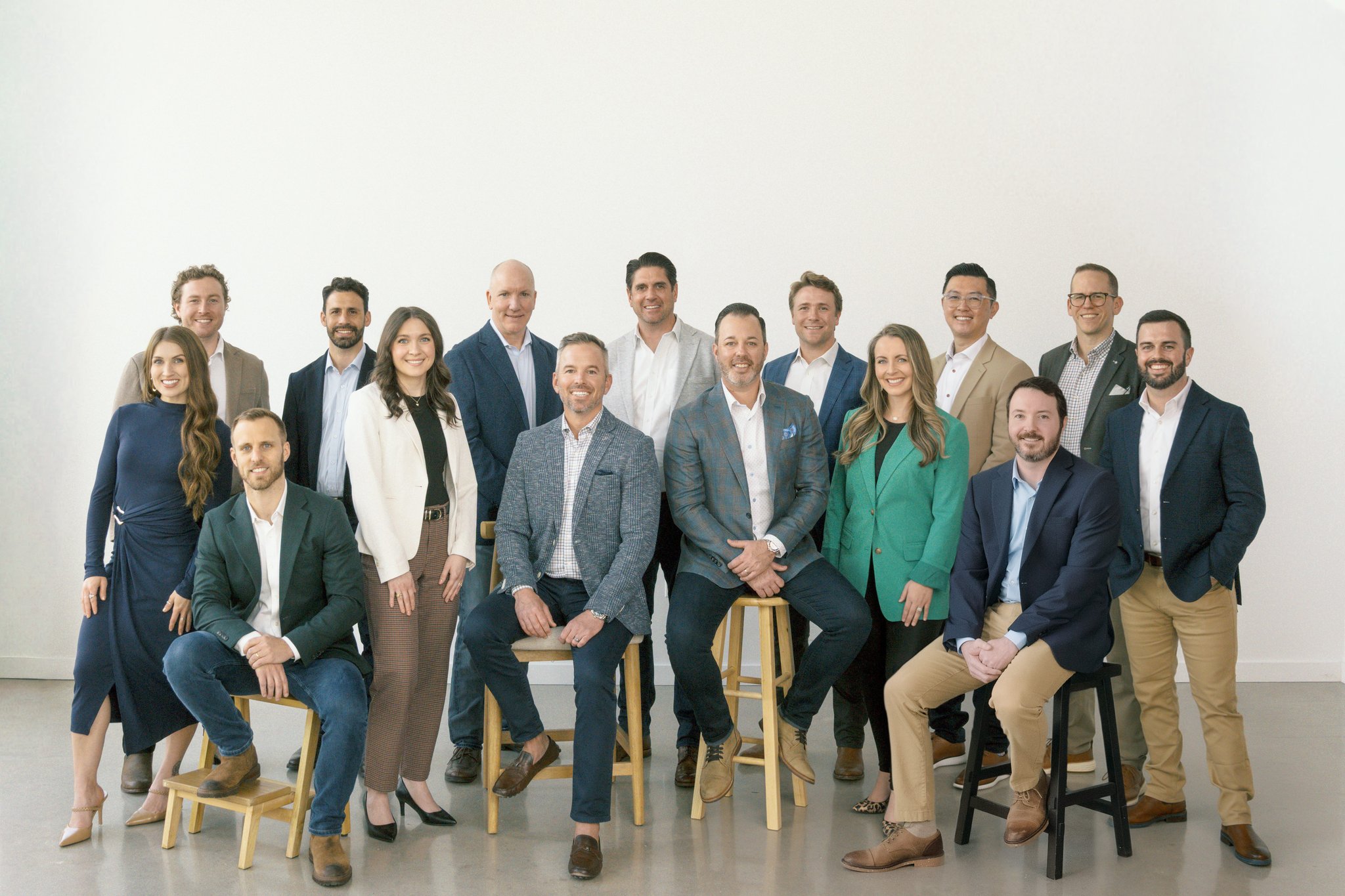
The firm’s Los Angeles office, led by Steven Au, serves California specialists directly and brings regional knowledge and buyer relationships that a national firm with a local presence can provide.
See what a competitive process could return for your practice.
Frequently Asked Questions
How Long Does a California Specialty DSO Sale Take?
A DSO sale process typically runs 9 to 13 months from the start of formal preparation to closing. The bid process itself, from confidential marketing through initial offers and finalist meetings, generally takes 45 to 60 days. Quality-of-earnings diligence and legal documentation typically run another 30 to 60 days in parallel. Real estate, specifically lease assignment or negotiation of a new lease, is the most common cause of delay. California’s AB 1415 also adds a 90-day notice requirement for material healthcare transactions involving private equity, hedge funds, and MSOs, which can affect deal timelines for PE-backed buyers.
Does California’s Non-Compete Voidness Affect Deal Value?
It can, in the seller’s favor. As discussed in the non-compete section above, California’s framework, including §16600 and the sale-of-goodwill exception in §16601, limits the scope of enforceable post-closing restrictions. That limitation can reduce a DSO’s leverage over price, earnout, and post-close obligations and can support stronger cash-at-close and employment terms for a well-represented seller.
What Does a Realistic Cash-at-Close Look Like in California?
For most DSO transactions, cash at closing tends to fall in the 60–80% range of total enterprise value, with the remainder in rollover equity and earnout, as discussed in the cash-versus-equity section above. California deals can skew toward the higher end of that cash-at-close range relative to national averages, because the state’s 13.3% income tax on all income, including capital gains, makes deferred components less attractive to sellers who must pay tax regardless of when they receive liquidity. A higher cash-at-close offer with a lower headline value can be worth more in real after-tax terms than a higher headline offer with a large earnout or illiquid equity component. Comparing offers on expected after-tax proceeds, rather than headline enterprise value, can provide a clearer picture.
How Do I Choose the Right DSO Partner?
Choosing the right DSO involves evaluating the buyer as an investment as well as a purchaser. Key questions include whether the DSO is profitable at the practice level and whether same-store revenue is growing. The stability and experience of the management team also matter. Sellers can ask who the private equity sponsor is and whether that sponsor has a track record of successful recapitalizations. Feedback from dentists who have already affiliated with the DSO, particularly around clinical autonomy, staff treatment, and operational support, can be revealing. For California specialists, it is also worth asking whether the DSO’s MSA structure has been reviewed against SB 351 and the corporate practice of dentistry doctrine, given the California Attorney General’s active enforcement posture in 2026. Finding the right fit matters as much as the headline price.
Will I Have to Keep Working After I Sell?
On a DSO deal, continued work is usually expected. As covered above, the five-year working agreement is now a common standard for many DSO transactions, particularly in 2026 as buyers place greater emphasis on seller retention and provider continuity. A shorter post-close commitment may be possible if an associate is already in place and producing a significant share of revenue, but it typically comes with a lower purchase price because the buyer absorbs more patient-retention risk. The employment agreement governs compensation, schedule, and obligations during that period, and its terms remain negotiable. On a private doctor-to-doctor walk-away sale, the seller typically works back only 4 to 8 weeks before exiting.
What Happens to My Staff and Referral Relationships?
Staff continuity and referral relationship protection can be some of the main post-close considerations for California specialists. Most DSO transactions result in changes to scheduling systems, billing workflows, supply vendors, and HR administration within the first 12 to 24 months after close. Staff who are accustomed to the seller’s culture may experience friction during integration. For specialty practices, referral relationships often represent the most sensitive variable. Endodontists and periodontists whose production depends on a network of referring general dentists can ask specifically how the DSO plans to manage and protect those relationships post-close. The right buyer will have a clear, documented answer and a track record of protecting referral networks at practices it has already acquired.
Conclusion: Evaluating The Offer In The Drawer
A California specialist evaluating a DSO offer benefits from a framework that accounts for the state’s unique legal and market environment. The PC/MSO structure shapes what a DSO can own and control. California’s non-compete law changes what a buyer can request post-close and can give a well-represented seller meaningful leverage. The 2026 buyer map is segmented by specialty, with oral surgery often commanding the strongest demand, orthodontics and pediatric dentistry drawing broad DSO interest, and endodontics and periodontics depending more on whether a specialty consolidator is actively building in the local market. Deal structure, including cash at close, rollover equity level, earnout mechanics, and employment term, can vary as much as the headline multiple, and California’s tax environment makes the cash-at-close component especially important.
Practical next steps for any California specialist considering a transition include reviewing financials and establishing a defensible EBITDA figure, clarifying personal goals around timing, autonomy, and post-close involvement, and comparing transition paths, such as DSO affiliation versus private sale, with full information rather than a single buyer’s number. Speaking with a sell-side advisor before responding to an inbound DSO offer can be one of the highest-leverage actions a specialist takes.
Practice owners who are not yet sure whether selling is the right move can also consider education-focused events. The McLerran M&A Summit (October 29–30, 2026, Austin) offers 4 CE credits and a complimentary practice valuation, which is described as a $2,500 value.
Get a confidential read on your options.